About this event
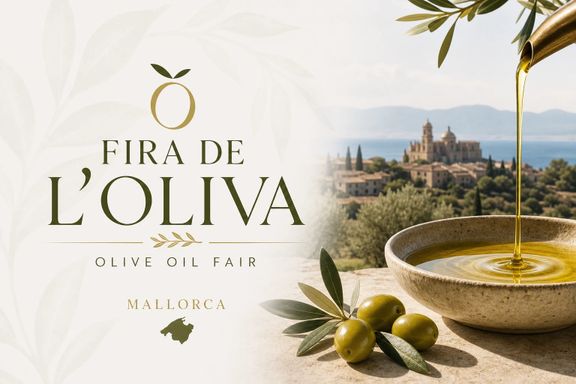
Fira de l’Oliva Mallorca 2026 takes place in the mountain village of Caimari on Saturday, 21 November and Sunday, 22 November 2026. Set at the foothills of the Serra de Tramuntana, this much-loved autumn fair celebrates Mallorca’s olive harvest, extra virgin olive oil, traditional food, artisan crafts, and the agricultural character of one of the island’s most picturesque communities.Caimari has a long connection with olive cultivation and oil production. During the fair weekend, its quiet streets become an open-air celebration of local flavour and heritage. Visitors can taste freshly pressed olive oil, browse stalls, watch traditional demonstrations, enjoy Mallorcan dishes, and explore a village surrounded by ancient olive groves.For travellers seeking an authentic November event in Mallorca, the Fira de l’Oliva is a delicious and memorable way to experience the island away from the beaches and resort areas."The Fira de l’Oliva is a delicious and memorable way to experience the island away from the beaches and resort areas."The Story of Fira de l’OlivaCelebrating Mallorca's Olive HeritageThe Fira de l’Oliva de Caimari is a traditional Mallorcan olive fair dedicated to the island’s olive-growing culture. It brings together farmers, oil producers, artisans, local restaurants, community groups, and visitors for a weekend of food, music, and village life."Caimari itself becomes the venue, transforming into a vibrant hub of olive oil culture and tradition."The fair is especially known for:Local olives and olive oilExtra virgin olive oil tastingsOlive-oil production demonstrationsArtisan market stallsOlive wood productsTraditional Mallorcan foodLocal wine and liqueursAgricultural displaysFolklore and musicFamily activitiesCultural exhibitionsGuided village experiencesHarvest-season atmosphereEntry to the public fair areas is generally free. Visitors pay for food, drinks, olive-oil products, workshops, and any selected paid activities.Caimari: Mallorca’s Olive VillageA Picturesque SettingCaimari is a small village in the municipality of Selva, at the base of the Serra de Tramuntana. It is known across Mallorca for its olive groves, traditional oil production, and connection to the landscape of the northern mountains.The village is well-positioned for olive cultivation. The surrounding countryside includes terraces, stone walls, and old trees that have shaped the local economy and scenery for generations."In November, the area feels especially atmospheric as the summer crowds fade and the autumn harvest gives the village a lively sense of purpose."Caimari is also close to several popular Mallorca destinations:SelvaIncaMancor de la VallCampanetLlucSóllerPollençaSerra de Tramuntana mountain routesVisitors can easily combine the Olive Fair with a weekend exploring inland Mallorca, mountain villages, and local food traditions.The Importance of Olive Oil in MallorcaA Culinary Staple and Cultural HeritageOlive oil is central to Mallorcan cooking. It is used in everyday dishes, from simple bread and tomato combinations to grilled vegetables, salads, fish, and traditional stews.The island’s olive-growing culture is especially strong in the Serra de Tramuntana and nearby foothill villages. The region’s dry-stone terraces, stone presses, and ancient olive trees reflect centuries of agricultural knowledge.At Fira de l’Oliva Mallorca 2026, visitors can learn more about:Harvesting olivesPressing olive oilDifferences between olive varietiesExtra virgin olive oil qualityTraditional and modern production methodsOlive wood craftsmanshipMediterranean cookingSustainable agricultureThe landscape of Mallorca’s olive grovesA tasting is one of the best ways to understand the product. High-quality olive oil can taste grassy, peppery, fruity, nutty, or slightly bitter, depending on the olives, harvest timing, and production style.Taste Olive Oil Like a LocalA Sensory Experience at the FairOlive oil tasting is a major part of the Caimari fair. If you have never done one before, it is simple and enjoyable.Look for tastings that let you compare different oils. Notice the aroma first, then sip a small amount and let it move across your mouth.You may detect flavours such as:Fresh grassTomato leafGreen almondArtichokeHerbsPepperNutsRipe fruitBitternessA gentle warming sensation in the throatThe peppery feeling at the back of the throat can be a sign of fresh, high-quality extra virgin olive oil. It is not necessarily a flaw.At the fair, producers may also offer olive oil with bread, cheese, tomatoes, or local dishes. This is an easy way to find a bottle you would like to bring home.When buying olive oil, ask:Which olive varieties are used?Was it produced in Mallorca?Is it extra virgin olive oil?What harvest period does it come from?How should it be stored?Is it best for dipping, cooking, or both?Traditional Olive Oil Production in CaimariSa Tafona de Cas ManescalCaimari’s historical olive press, known as Sa Tafona de Cas Manescal, is one of the cultural highlights associated with the fair. A tafona is a traditional oil mill, where olives were once crushed and pressed to extract oil.Visiting an old olive press offers a tangible link to Mallorca’s agricultural past. It helps visitors understand that olive oil was not simply a food product. It was once a vital source of cooking fat, household income, and rural trade."Sa Tafona de Cas Manescal provides a glimpse into the traditional methods of crushing and pressing olives to produce oil."During the Fira de l’Oliva weekend, traditional-production demonstrations may show how oil was historically made using stone mills and presses.These displays help bring the local story to life:Olives are harvested from trees.Leaves and debris are removed.Olives are cleaned and crushed.The olive paste is pressed.Oil is separated from water and solids.The finished product is stored and sold.Modern equipment has changed the process, but the connection between olive trees, families, and the landscape remains.What to Eat at Fira de l’Oliva 2026A Culinary Journey Through Mallorcan FlavoursThe fair is a food lover’s event. Olive oil appears in many forms, but it is also a perfect introduction to wider Mallorcan cooking.Pa amb Oli means bread with oil. It is one of Mallorca’s most beloved dishes, made with rustic bread, local olive oil, tomato, and toppings such as cheese, ham, tuna, or sobrassada.Try different cured olives, olive pastes, and tapenades. Producers may offer varieties flavoured with herbs, citrus, garlic, or local spices.Sobrassada is Mallorca’s soft paprika sausage. It is often spread on bread and pairs beautifully with olive oil, cheese, and local wine.Coca de Trampó is a savoury flatbread topped with tomato, onion, peppers, and olive oil. It is a convenient fair-day snack and a classic example of Mediterranean cooking.Tumbet is a traditional vegetable dish made with layers of potato, aubergine, peppers, and tomato sauce. Olive oil is central to its flavour and preparation.Frit Mallorquí is a rustic dish made with meat, potatoes, vegetables, and herbs. It is more substantial and ideal for a cool November lunch.Mallorcan cheeses, cured meats, and wines are often part of fair tastings. Pair them with extra virgin olive oil and bread for a simple but satisfying local meal.Market Stalls and Local CraftsArtisan Creations and Unique SouvenirsFira de l’Oliva is about more than food. The market brings artisans and small producers into Caimari’s streets.Look for:Olive oilTable olivesOlive wood spoonsBowls and kitchen toolsHandmade ceramicsLocal soapsHerbal productsHoneyJams and preservesMallorcan textilesLeather goodsHandmade jewellerySeasonal giftsLocal artworkOlive wood products make especially good souvenirs. Its grain varies from piece to piece, which means every board, spoon, or bowl looks slightly different.Buy directly from makers when possible. It supports local craft traditions and gives you a more meaningful memento than a mass-produced souvenir.Cultural Events and Family ActivitiesA Full Weekend of Entertainment and LearningThe detailed 2026 schedule is normally published closer to the fair weekend, but the Fira de l’Oliva programme traditionally includes a wide mix of culture, family activities, and local entertainment.Visitors may find:Olive oil tastingsGuided visits to Sa Tafona de Cas ManescalCooking demonstrationsTraditional musicFolk danceLocal art exhibitionsAgricultural displaysChildren’s workshopsStorytelling and gamesArtisan demonstrationsVillage walksFood competitionsRestaurant menus featuring olives and oilThe fair often begins before the main weekend. Friday evening may include opening activities, local exhibitions, and early tastings, while the busiest market hours usually fall on Saturday and Sunday.If you prefer a calmer experience, arrive shortly after opening time. If you enjoy atmosphere and live music, stay through the afternoon and early evening.How to Get to CaimariTravel Tips for a Smooth JourneyCaimari is located in the central-northern part of Mallorca.Approximate driving times include:From Inca: 15 to 20 minutesFrom Palma: 40 to 50 minutesFrom Alcúdia: 35 to 45 minutesFrom Pollença: 35 to 45 minutesFrom Sóller: Around 50 to 60 minutesBy CarA hire car is the most flexible option for the Olive Fair, particularly if you plan to explore other Serra de Tramuntana villages.However, parking in Caimari can be limited during the fair. Follow official signs, use designated parking areas, and expect a short walk into the centre.Do not park on narrow village roads, private drives, or emergency routes.By Train and TaxiTake the train from Palma to Inca, then continue by taxi to Caimari. This option can work well for visitors who want to avoid driving and plan to enjoy wine tastings.By BusBus routes may connect nearby towns, but services can be less frequent during weekends. Check current schedules before travelling.By Guided TourA food or rural Mallorca tour can be useful for first-time visitors. It removes the need to manage parking, mountain roads, and post-tasting transport.What to Wear in Caimari in NovemberStay Comfortable and PreparedNovember in Caimari is cooler than the coast, especially after sunset. The village is walkable, but streets can be uneven and crowded during the fair.Bring:Comfortable walking shoesLight waterproof jacketWarm layerSmall daypackReusable water bottleSunglassesPhone chargerCash for small stallsShopping bag for olive oil and local productsAvoid wearing delicate shoes if you plan to explore nearby country paths or olive groves.Extend Your Olive Fair WeekendDiscover More of Mallorca's TreasuresA visit to Caimari can become a full autumn Mallorca itinerary.SelvaSelva is only a short drive away and has quiet streets, stone houses, and wide views toward the Tramuntana mountains.Lluc MonasteryLluc Monastery is one of Mallorca’s most important spiritual and cultural destinations. Its mountain setting makes it a rewarding stop after the fair.Campanet CavesThe Coves de Campanet offer an underground alternative to mountain walks and are suitable for visitors looking for a family-friendly excursion.IncaInca is Mallorca’s leather and market town. Explore local shops, traditional cellers, and the Shoe and Industry Museum.PollençaPollença is known for its historic old town, Calvari steps, galleries, and access to dramatic northern coastlines.Responsible Fair-Day TipsEnjoy the Fair SustainablyArrive early to avoid the busiest parking period.Bring reusable bags for food and crafts.Support local producers.Ask before touching display products.Store olive oil upright and away from heat.Do not drink and drive after tastings.Respect village residents and private homes.Keep streets clean.Follow parking and road instructions.Be patient during busy food-service periods.Frequently Asked QuestionsThe Things People Always Want to KnowWhen is Fira de l’Oliva Mallorca 2026?Fira de l’Oliva takes place on Saturday, 21 November and Sunday, 22 November 2026.Where is the Olive Oil Fair held?The fair takes place in Caimari, a village in the municipality of Selva at the foothills of Mallorca’s Serra de Tramuntana.Is Fira de l’Oliva free to enter?Yes. Entry to the public fair areas is generally free. Visitors pay for food, drink, olive oil, crafts, and selected activities.What can I buy at the Caimari Olive Fair?You can buy olive oil, table olives, olive wood products, local food, cheese, wine, honey, preserves, handmade crafts, and seasonal gifts.What is Sa Tafona de Cas Manescal?Sa Tafona de Cas Manescal is Caimari’s historic olive press. It provides insight into traditional methods of crushing and pressing olives to produce oil.How far is Caimari from Palma?Caimari is around 40 to 50 minutes by car from Palma, depending on traffic and route conditions.Is Fira de l’Oliva suitable for families?Yes. The fair has food stalls, artisan markets, demonstrations, and family-oriented activities. Parents should keep children close in busy streets and market areas.Verified Information at a GlanceEvent Name: Fira de l’Oliva Mallorca 2026, Caimari Olive Oil FairEvent Category: Olive oil, gastronomy, agriculture, crafts, and local cultureConfirmed Dates: Saturday, 21 November and Sunday, 22 November 2026Location: Caimari, municipality of Selva, Mallorca, Balearic Islands, SpainSetting: Foothills of the Serra de Tramuntana, surrounded by olive grovesMain Activities: Olive-oil tastings, olive pressing demonstrations, market stalls, food, crafts, music, and family activitiesHistoric Attraction: Sa Tafona de Cas Manescal traditional olive pressEntry: Free to public fair areasFood and Product Prices: Set individually by vendors, restaurants, and producersBest For: Food lovers, olive oil enthusiasts, families, craft shoppers, photographers, and rural Mallorca travellersTravel from Palma: Approximately 40 to 50 minutes by carTravel Tip: Use designated parking, arrive early, and do not drive after olive oil or wine tastingsPlan a November escape to Caimari on 21 and 22 November 2026, taste Mallorca’s olive harvest at its source, and let the flavours, mountain scenery, and village warmth of Fira de l’Oliva reveal a more authentic side of the island.```